

You notice it after a heavy rain. Water lingers on the roof longer than expected, or a faint stain spreads across the ceiling of a flat-roofed room. These moments raise concern for many homeowners and property owners in Hackensack, where flat roofing systems are common and weather conditions can be demanding. Flat roofs behave differently than sloped systems and require a deeper understanding of drainage, materials, and exposure. When issues appear, timely flat roof repair Hackensack New Jersey becomes essential to prevent interior damage and long-term structural problems.
Bergen County experiences a wide range of seasonal conditions. Freeze-thaw cycles, snow accumulation, spring rainstorms, and intense summer heat all place ongoing stress on flat roofing systems. This guide explains why flat roofs face unique challenges in this region and how informed repairs help protect property value over time.
Where Flat Roofs Are Common Across Hackensack and Bergen County
Flat roofs appear frequently throughout Hackensack, especially in urban neighborhoods where lot size and architectural trends favored efficient rooflines. Many multi-family residences, mid-century homes, and mixed-use buildings feature flat or low-slope roofing systems designed to maximize interior space.
Across suburban Bergen County, flat roofs often appear on home additions, garages, porches, and modern architectural designs. These structures require careful detailing where flat sections connect to pitched roofs or exterior walls. Homeowners often seek guidance from a residential flat roofing contractor Bergen County NJ when evaluating these transitions, as they tend to be common sources of leaks and drainage issues.
Why Flat Roofs Are More Vulnerable Than Sloped Systems
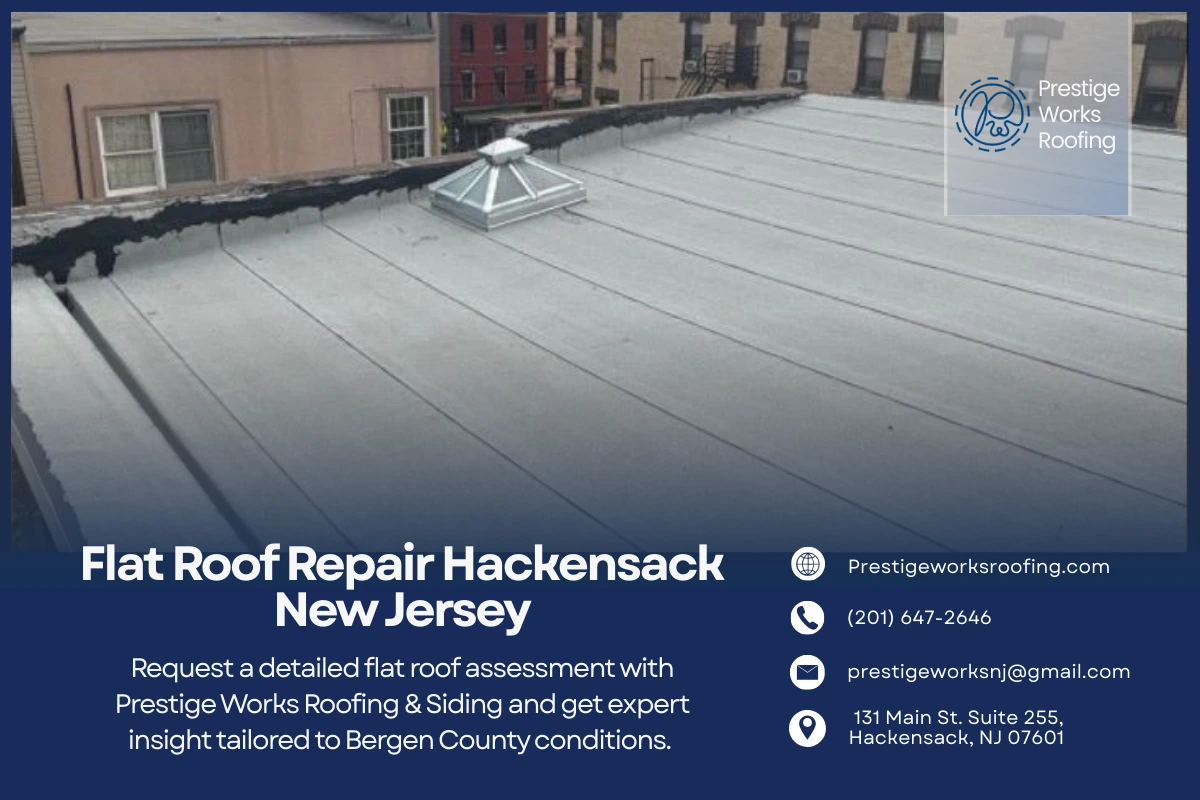
Flat roofs move water differently than pitched roofs. Even when designed with a slight slope, they rely heavily on internal drains, scuppers, and perimeter edges to manage runoff. When drainage slows or becomes obstructed, water sits on the surface longer than intended.
Standing water accelerates wear on roofing membranes and stresses seams, flashing, and penetrations. Many homeowners assume flat roofs are perfectly level, but proper systems include subtle slopes that guide water toward drainage points. Understanding this difference highlights why proactive care matters so much in Bergen County’s variable climate.
Climate-Driven Flat Roofing Challenges in Hackensack
Heavy Rainfall and Drainage Stress
Hackensack experiences frequent rainstorms that test flat roof drainage systems. When drains or scuppers clog with leaves, dust, or urban debris, water pools across the surface. This ponding increases pressure on seams and speeds up membrane deterioration.
Snow Accumulation and Freeze-Thaw Cycles
Snow load presents another challenge. As snow melts during the day and refreezes overnight, water works its way into seams and around penetrations. Over time, repeated expansion and contraction weaken membrane integrity and open pathways for moisture intrusion.
Summer Heat and UV Exposure
Prolonged summer heat causes flat roof materials to expand, soften, and age more quickly. Ultraviolet exposure breaks down surface layers and leads to blistering or surface fatigue. These conditions often signal the need for flat roof repair Hackensack New Jersey to restore protective performance before leaks develop.
Common Flat Roof Materials and Their Weak Points
Modified Bitumen Systems
Modified bitumen roofs feature layered membranes that provide durability and flexibility. Over time, seams become vulnerable, especially if heat exposure dries adhesives or aging reduces elasticity.
EPDM Rubber Roofing
EPDM offers strong weather resistance, but punctures and seam adhesion issues can arise if foot traffic or debris damages the surface. Proper inspection helps identify early wear.
TPO and PVC Membranes
These single-ply systems rely on heat-welded seams and reflective surfaces. While effective, seam precision is critical, and repairs require specialized tools and training. Material choice directly impacts repair strategies and long-term maintenance planning.
The Most Frequent Flat Roof Problems Seen in Bergen County Homes
Recurring leaks often appear at seams, drains, and flashing points. Membrane shrinkage can pull materials away from edges, creating gaps. Inside the home, bubbling ceilings, discoloration, or musty odors often signal trapped moisture.
Surface patching rarely addresses underlying issues. Professional diagnosis allows contractors to identify the source rather than treating visible symptoms alone. Homeowners who work with a residential flat roofing contractor Bergen County NJ benefit from repairs that address both surface damage and drainage performance.
Why Flat Roof Repairs Require Specialized Expertise
Flat roofing demands a different skill set than pitched roofing. Seam repairs require precision. Drainage corrections involve understanding slope, water flow, and insulation performance. Membrane integration must remain watertight while allowing for thermal movement. Local experience matters. A residential flat roofing contractor Bergen County NJ understands regional building codes, common failure points, and material performance under local weather conditions. This knowledge ensures repairs support long-term durability rather than short-term fixes.
Repair Solutions Tailored to Flat Roof Systems
Targeted Leak Repairs and Seam Restoration
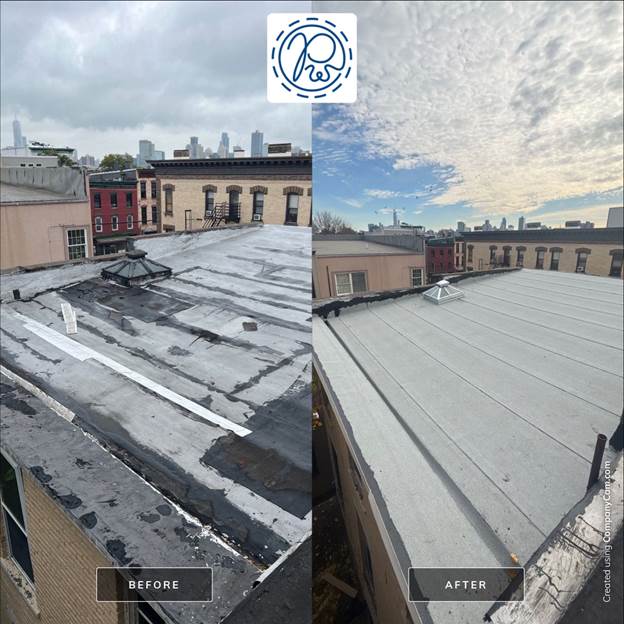
Localized repairs reinforce vulnerable areas and reseal compromised seams. These solutions work best when issues are caught early and the membrane remains structurally sound.
Drainage Improvements and Slope Adjustments
Adding tapered insulation or improving drainage pathways helps eliminate ponding water. These adjustments reduce surface stress and extend roof lifespan.
Surface Coatings and Protective Treatments
Protective coatings add a reflective layer that shields materials from UV exposure and moisture. In many cases, flat roof repair Hackensack New Jersey includes coatings as part of a broader restoration strategy.
When Flat Roof Repairs Are No Longer Enough
Recurring leaks often signal deeper system failure. Saturated insulation, widespread membrane fatigue, or aging materials may limit the effectiveness of repairs. Comparing long-term repair costs against replacement value helps homeowners make informed decisions. Planning early allows you to avoid emergency situations and align roof investments with property goals.
Preventative Maintenance Strategies for Flat Roof Longevity
Scheduled inspections help catch subtle issues before they worsen. Seasonal maintenance clears debris, checks drainage components, and monitors seam integrity. Bergen County weather makes early detection especially valuable, as small problems can escalate quickly under seasonal stress. Proactive care protects interior finishes, reduces repair frequency, and preserves overall property value.
Protecting Flat Roofs in Hackensack and Bergen County
Flat roofs face unique challenges across Hackensack and Bergen County due to climate, architecture, and drainage demands. Informed maintenance and climate-aware repairs help these systems perform reliably year after year. Working with knowledgeable local professionals ensures your roof receives care designed for regional conditions and long-term performance.
Clear Answers for Your Flat Roof
We guide homeowners through flat roof repair Hackensack New Jersey by evaluating drainage, materials, and wear so you can make confident decisions. Request a detailed flat roof assessment with Prestige Works Roofing & Siding and get expert insight tailored to Bergen County conditions.